Rachel Whitcomb never planned to revolutionize how we support gifted children. But watching her brilliant daughter slowly dim in a second-grade classroom changed everything.
The teacher meant well. When Rachel's twice-exceptional daughter finished assignments early, asked complex questions, or needed to move while thinking, she was sent to the quiet corner. Not as punishment—but because the system didn't know what else to do with a mind that moved too fast and a body that needed to keep up.
For Rachel, who'd grown up as the "smart but struggling" kid with undiagnosed learning differences, those words hit like a thunderbolt. She saw her own painful school years reflected in her daughter's experience—the same misunderstandings, the same diminished expectations, the same slow erosion of self-worth.
But this time would be different.
Rachel dove deep into research, connected with specialists, and discovered a truth that changed everything: These children don't need less. They need different.
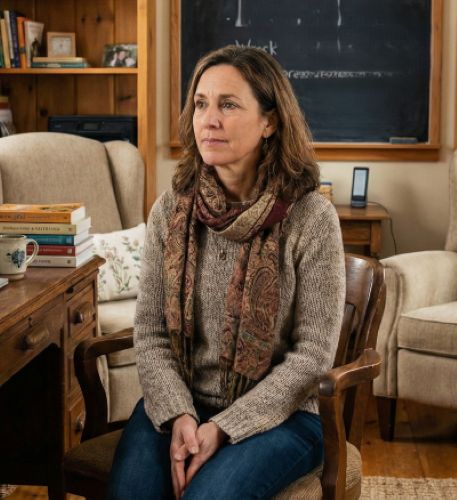
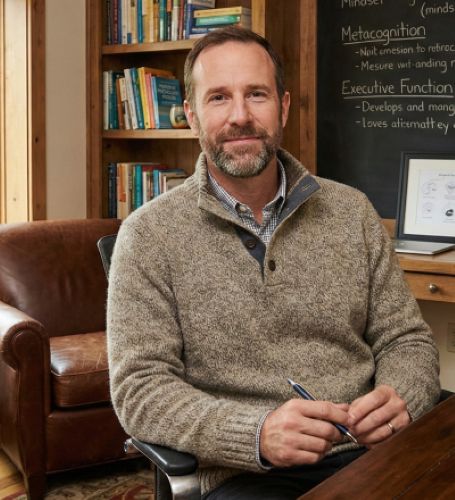
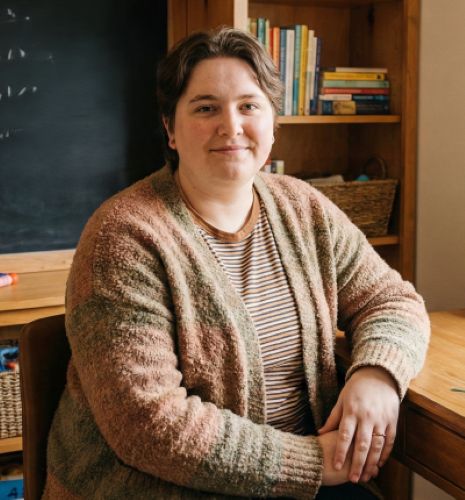
She assembled a team of professionals who understood that a child could be years ahead intellectually while struggling with basic tasks, could see patterns others missed while missing social cues others caught, could create masterpieces while unable to organize a backpack.
Together, they built what Rachel wished had existed when she was young—and what thousands of families desperately need today.